Codex CLI 0.128.0 Adds /goal for Persistent Long‑Running Tasks
Add the /goal command to your Codex workflow to persist and resume long‑running tasks; integrate OpenGUI for mobile device automation.
Get 5 things to act on each day — instead of 1,500 articles to read. Free, Builder, or Pro.
Add the /goal command to your Codex workflow to persist and resume long‑running tasks; integrate OpenGUI for mobile device automation.
None – the post is a user question without actionable details.
Enable the appropriate model‑specific profile in Deep Agents to achieve a 10–20 point boost on tau2‑bench.
Verify SubQ’s real context window and benchmark performance before using it in production.
Build a multi‑agent pipeline that extracts lab data with Tesseract, feeds it to a GPT‑4o researcher, nutritionist, and code executor, then outputs a personalized health report.
Explore the 1369‑byte Llama2 inference engine by running ./download.sh && python3 quantize.py && make run to see minimal‑size deployment in action.
Benchmark Qwen3.6‑27B and Coder‑Next on your workloads to decide which model suits your use case.
Build an on‑board satellite VLM pipeline that processes Sentinel‑2 images and outputs risk profiles.
Run Gemma 4 E2B locally on a 8GB phone to parse voice notes into structured JSON.
Create an Agent Space in us‑east‑1, connect New Relic with a Full Platform User API key, adjust the payload template, and configure a custom skill to receive automated investigation summaries.
Observe how AI-native design removes product‑invented abstractions and reduces user learning thresholds.
Check the benchmark screenshots to gauge local inference speed of Mistral Medium 3.5 128B Q3_K_M on 3x3090.
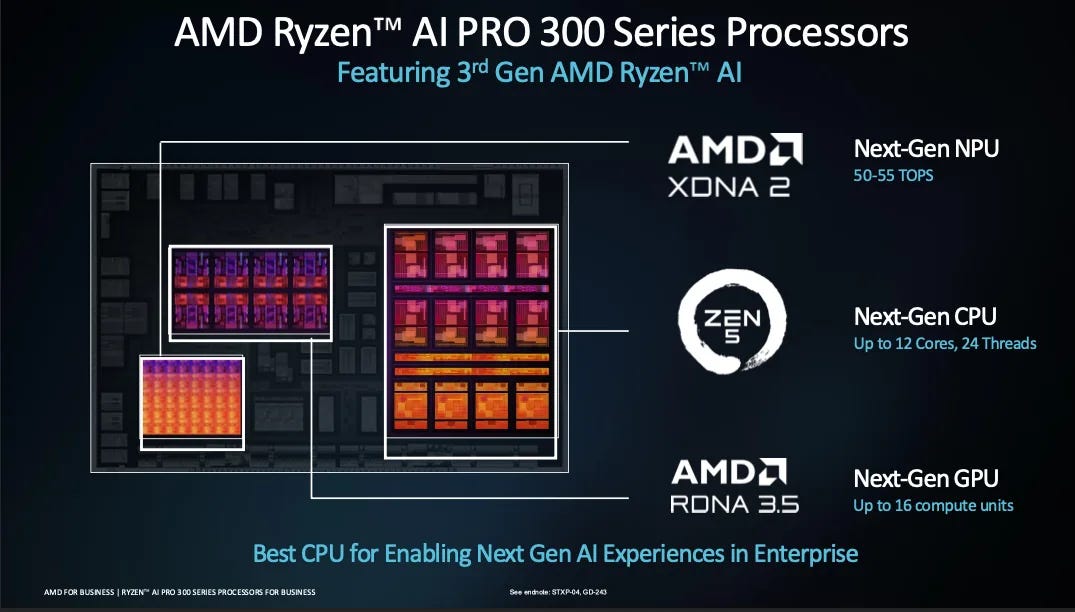
Enable GPU, NPU, and DPU drivers on your Ubuntu machines to fully leverage AI hardware.
Build a multi‑agent system using LangGraph, MCP, A2A, and Ollama, and capture traces with Langfuse while evaluating quality with DeepEval.
Enable the global AI master switch to unload models from memory and use MQTT auto‑discovery for Home Assistant integration.
Implement the SessionMood API by sending behavioral events with the provided endpoint and retrieving real‑time mood scores.
Install forge‑load via curl‑pipe and use the --engine flag to route code to the desired AI CLI with a single command.
Create four validation functions that wrap database writes, enforce business rules, use parameterized SQL, and wrap in transactions.
Implement human‑in‑the‑loop checks for AI‑generated outbound actions to avoid wasting external resources.
Audit AI systems to ensure outputs are treated as inputs, not conclusions, preserving human judgment.
Implement a custom AI PR reviewer that loads AGENTS.md and CLAUDE.md to enforce rules such as using v2 middleware and design‑system components.
Consider using two Sparks with MiniMax M2.7 for 120k context coding; they deliver ~15 tok/s at 100k context and 256 GB VRAM, with idle 50 W each.
Consider integrating AI as a task initiation partner to preserve ownership and meaning.
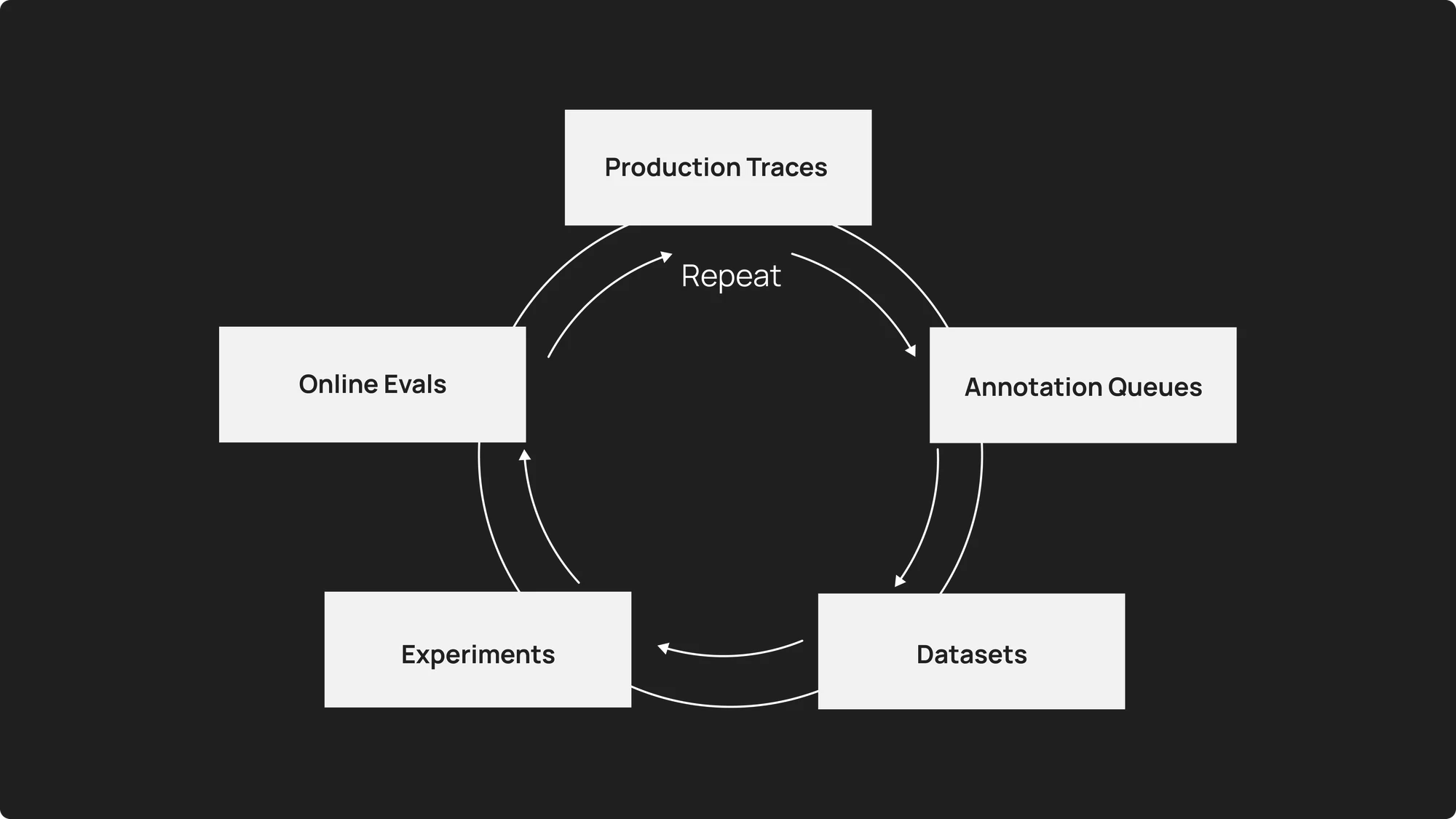
Implement annotation queues and LLM‑as‑judge evaluators to scale human judgment for agent interactions.
Build agent infrastructure that automates code generation and resilience to keep up with AI‑driven development.
Check the shift from TypeScript to Elixir and evaluate how BEAM supervision can improve your AI workflow reliability.
Document the evaluation patterns for future reference.
Prototype a multi‑agent platform by normalizing data sources into tools and orchestrating subagents with Deep Agents.
Explore Open SWE to prototype internal coding agents with isolated sandboxes and curated toolsets.
Patch your Hugging Face SDK to >=1.11.2, update model identifiers to include :deepinfra, configure API keys or routing, and test inference with example code.
We use cookies so the comment feature on this site works. Read more