Fragmented WooCommerce Stacks Hurt Performance, Search, and Security
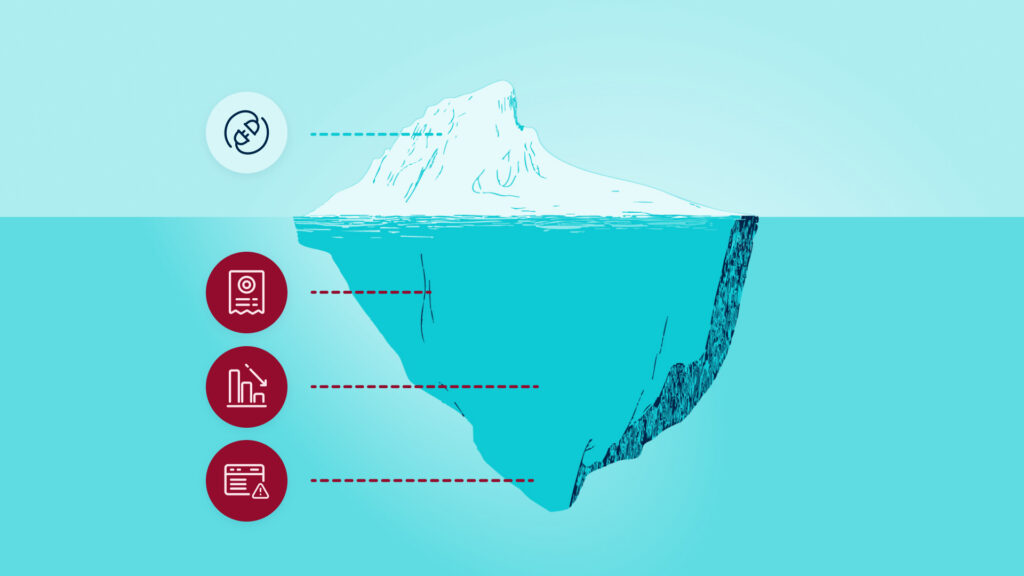
Assess your WooCommerce stack for performance, search, and security issues, and plan a migration to a unified managed solution to cut developer hours.
Assess your current WooCommerce stack, identify bottlenecks, and plan a migration to a unified managed solution.
Summary
WooCommerce’s flexibility can become a liability as stores grow, creating a fragmented tech stack that hampers performance, search, and security. Each added plugin adds scripts, styles, and database queries that inflate Time to First Byte (TTFB) and slow mobile experiences, driving up cart abandonment to 70.22% and increasing the risk of lost conversions.
The article highlights that 95% of 2025 plugin vulnerabilities stem from third‑party code, and that a developer can spend five hours a week on maintenance, equating to 260 hours a year of lost feature development. A unified, managed eCommerce solution—such as WP Engine’s platform—integrates performance, search, checkout, and maintenance into a single infrastructure, eliminating the need for disparate plugins and reducing technical debt.
By moving to a managed solution, stores can achieve faster load times, more reliable search, and tighter security while freeing developers to focus on innovation rather than firefighting.
Key changes
- Fragmented stack inflates TTFB and slows mobile traffic
- 70.22% cart abandonment linked to poor UX
- 95% of 2025 plugin vulnerabilities come from plugins
- 5 hours/week on maintenance equals 260 hours/year of lost feature work
- Unified managed solution integrates performance, search, checkout, and maintenance
- WP Engine’s EverCache and other server‑level optimizations replace plugin‑level caching