CMOs Have To Be More Tech-Enabled Than Ever – And So Do Their Agencies
Assess each AI platform's unique features before adoption.
Get 5 things to act on each day — instead of 1,500 articles to read. Free, Builder, or Pro.
Assess each AI platform's unique features before adoption.
Set up a focused prompt portfolio and monitor AI responses for brand mentions.
Use FlashVSR with adjusted parameters or generate at a higher resolution first to reduce ghosting and motion blur.
Explore local diffusion models or paid services like Runway to generate abstract motion designs for app screens.
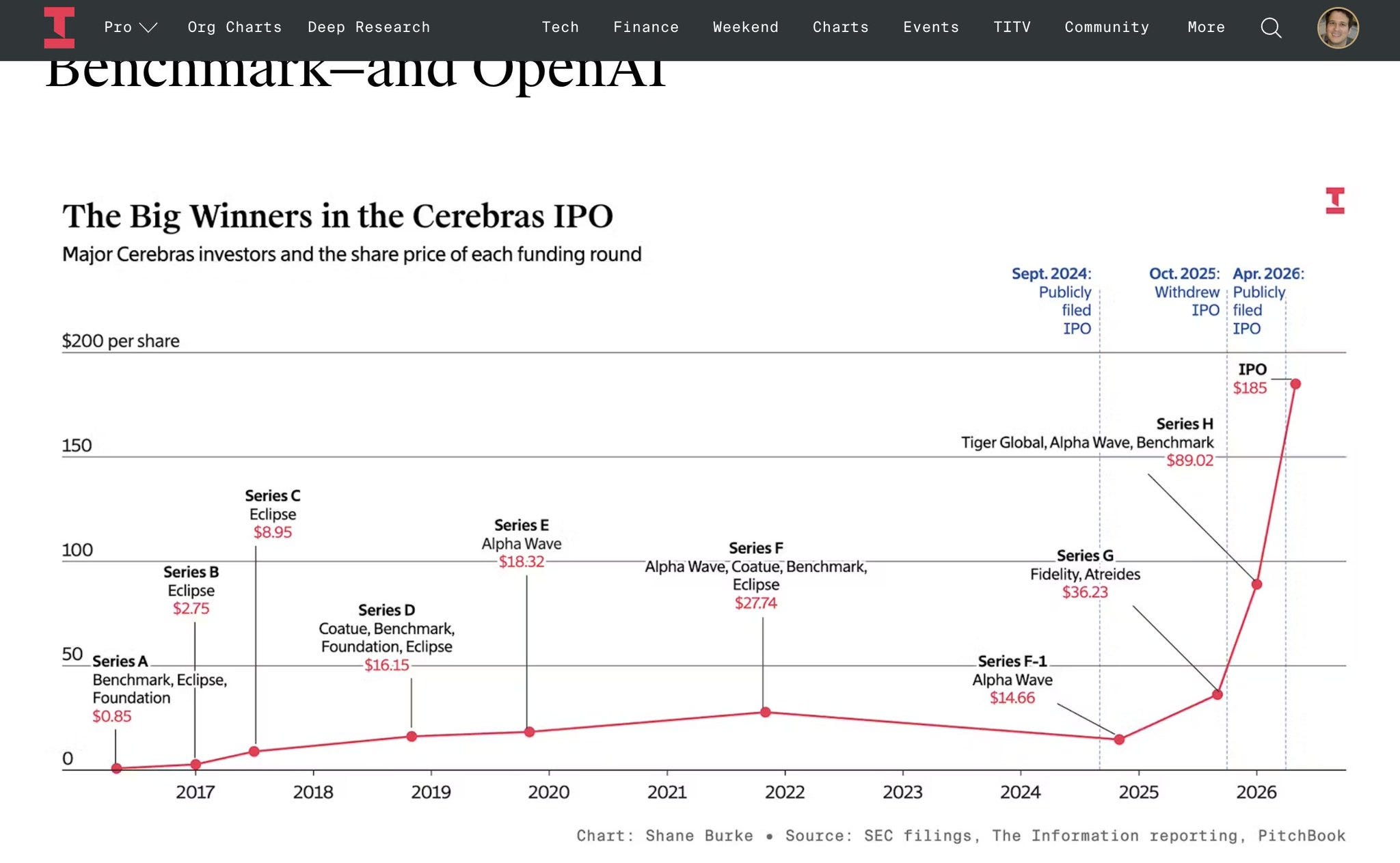
Benchmark Cerebras hardware against current inference workloads to validate scalability claims.
Download the 1000‑image dataset from Hugging Face and use it to fine‑tune Stable Diffusion models for a liminal dreamcore aesthetic.
Run a small test on your GPU to benchmark Qwen 3.6 + LTX 2.3 pipeline and compare to older LTX version.
Align identity infrastructure to support autonomous marketing agents.
Assess your AI projects for clear business value and avoid tokenmaxxing.
Check the Continue extension's reasoning budget setting and lower it below 1024 tokens to prevent premature halting when using Qwen 3.6 dense models.
Adopt Codex as a localised knowledge engine to accelerate feature development, debugging, and CI/CD automation across Sea’s microservices, reducing cognitive load on engineers.
Use Codex to turn finance close workbooks, dashboards, forecasts, prior MBRs, and owner notes into review‑ready narratives, model clean‑ups, and reporting packs.
Build a home‑rolled agent loop with map‑reduce task splitting and structured outputs to keep local Qwen3.5‑9B running efficiently.
Use the published repo to compare M5, DGX Spark, Strix Halo, and RTX 6000, noting M5’s superior memory bandwidth and performance over DGX Spark.
Run Qwen 3.6 27B Q8 on four RTX A4000 GPUs with Llama.cpp and MTP to achieve ~45 tokens/s for reasoning and ~60 tokens/s for coding.
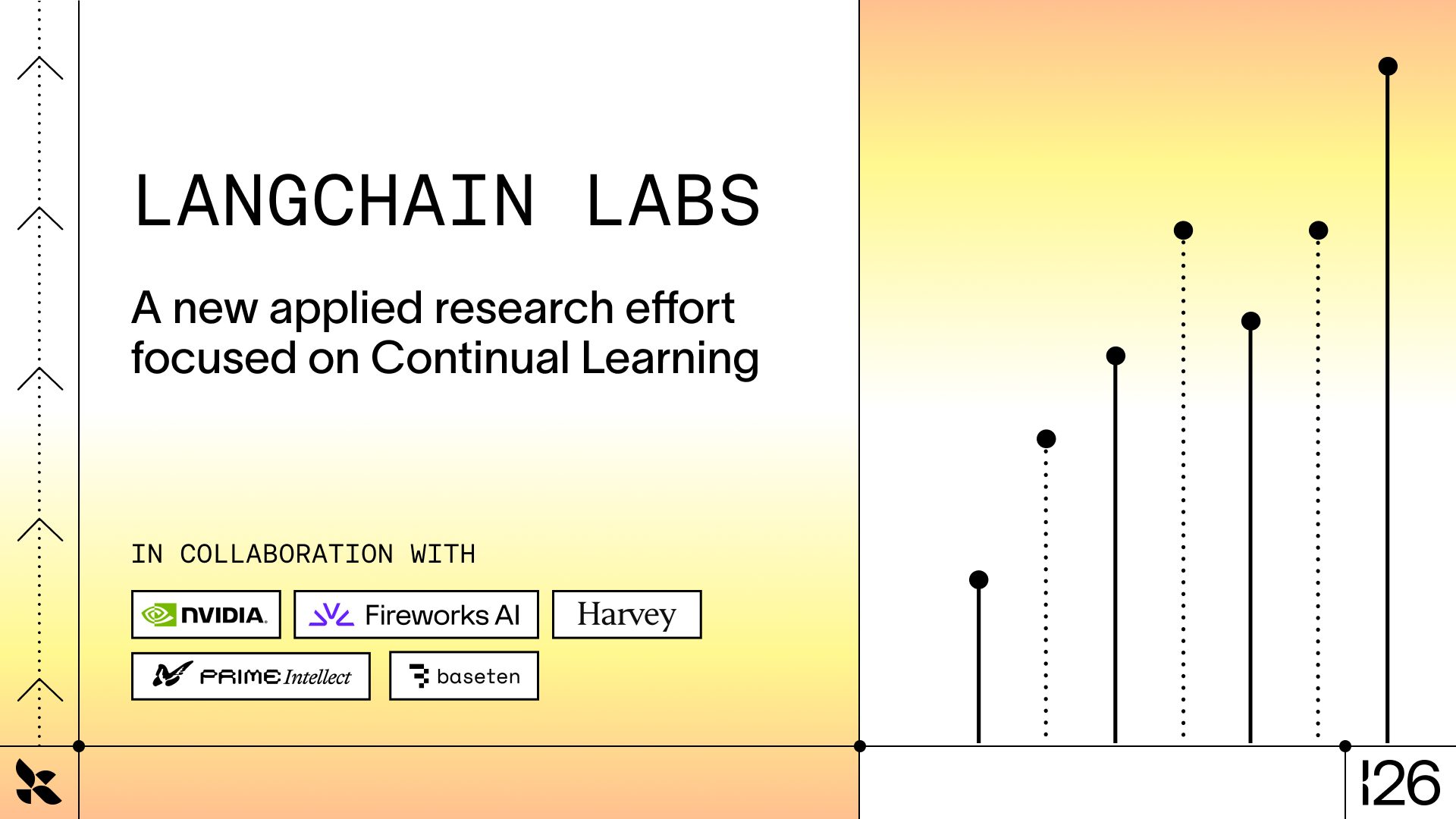
Explore LangChain Labs for continual learning research.
Understand harness components to build robust agents.
Leverage Codex with GPT‑5.5 on NVIDIA GPUs to accelerate research workflows, automate code generation, and prototype production systems.
Analyze Malta's AI for All program to model citizen AI access and inform future initiatives.
Use Codex to turn dashboards, metric definitions, exports, and experiment notes into root‑cause briefs, impact readouts, analytics requests, KPI memos, and dashboard specs.
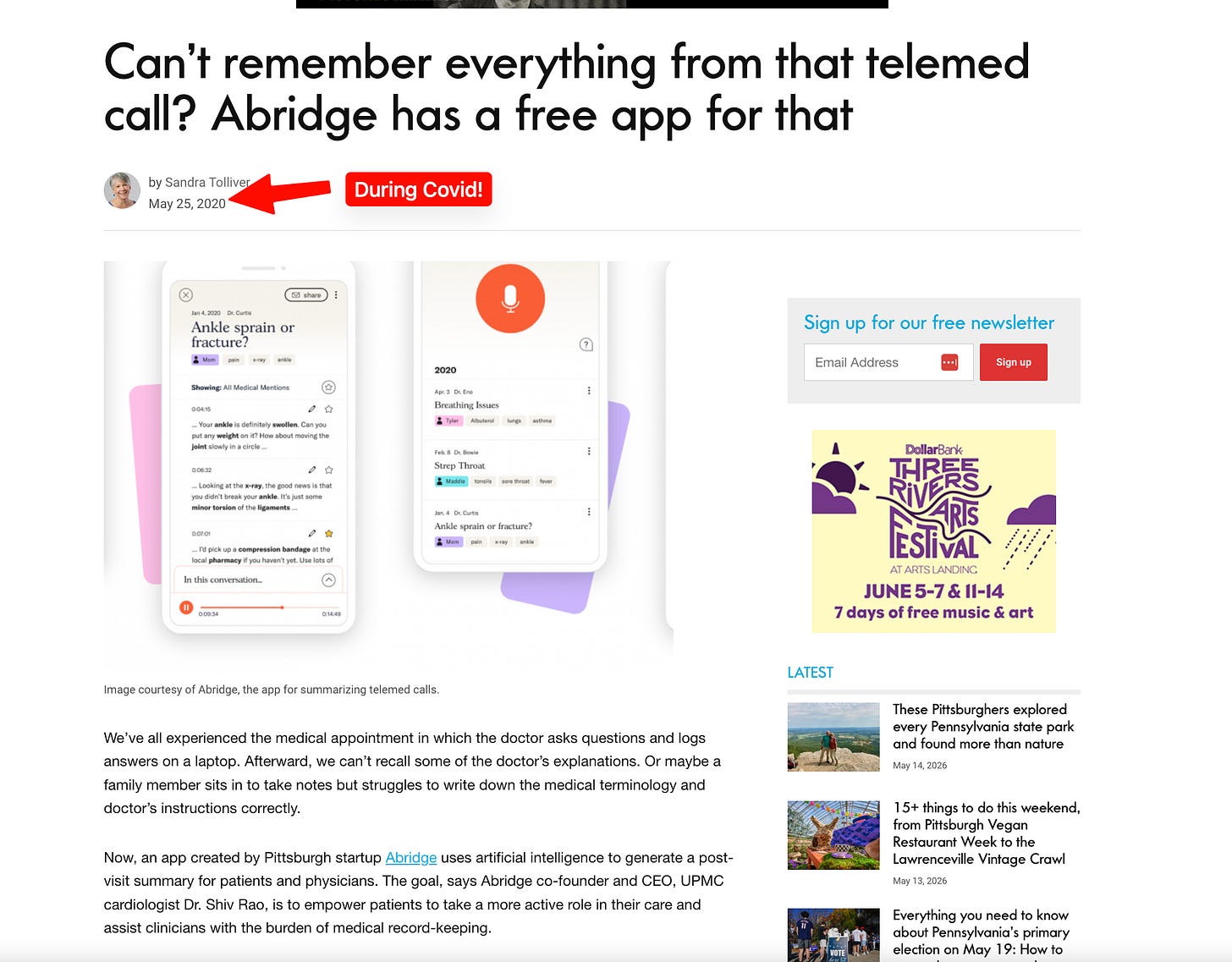
Deploy Abridge's ambient documentation pipeline to reduce clinician EHR burden.
Explore integrating ALDRIFT‑like iterative refinement into your AI content pipelines to reduce the plausibility trap.
Chroma is an open‑source FLUX model; keep an eye on its upcoming Zeta‑Chroma release based on Z‑Image/turbo.
Anima‑Base‑v1 runs about 20 s for 1024×1024, 40 steps on both RTX 5070ti and RTX 5000ada, indicating similar performance across these GPUs.
Quantize the MTP KV cache on Qwen3.7‑27B‑Q8_0 with –cache-type-k-draft q8_0 –cache-type-v-draft q8_0 and benchmark using –spec-type draft-mtp –spec-draft-n-max 3 to confirm VRAM savings and performance gains.
Verify the knowledge cutoff dates of open‑source LLMs before using them for up‑to‑date queries.
Use the curated CUDA book list to deepen GPU programming knowledge for your projects.
Clarify that vibecoding claims lack evidence and that AI only lowers Level 1 work.
Use AI coding agents to submit compact models under 16 MB, 10‑minute training on 8×H100s, and evaluate on FineWeb dataset.
Consider using coding agents to rewrite native apps to React Native, as it can reduce maintenance costs and allow future porting back to native.
We use cookies so the comment feature on this site works. Read more