Good to know
The Hidden Energy, Water, and E‑Waste Footprint of AI
Measure the environmental impact of AI workloads and plan for sustainable data‑center usage.
affects:
internal
Get 5 things to act on each day — instead of 1,500 articles to read. Free, Builder, or Pro.
Measure the environmental impact of AI workloads and plan for sustainable data‑center usage.

Set up Fin as a distinct pipeline source, track its metrics separately, and appoint an AI SDR program lead to own strategy, optimization, and integration.
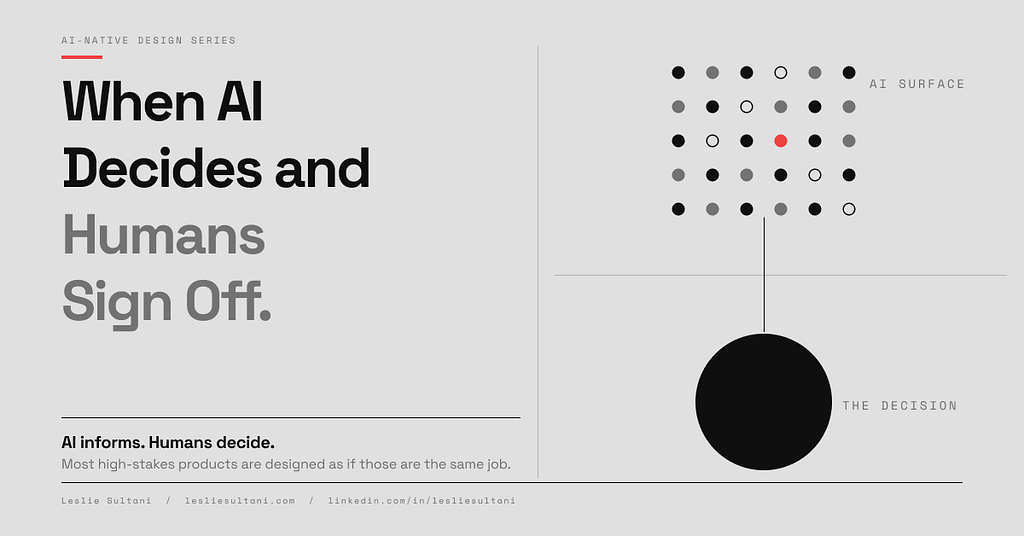
Review AI‑powered interfaces to ensure humans actively evaluate evidence, not just approve AI outputs.
Test smaller Qwen models or different quantizations to improve speed; tweak llama‑server flags like –c and –b for optimal GPU memory usage; consider Qwen 3.6 27B with q8_0 quant for better reliability.
Meta is alleged to have illegally copied millions of copyrighted works to train Llama, prompting a lawsuit from five publishers and author Scott Turow.
Integrate openevals and agentevals into your evaluation pipeline to standardize LLM quality checks.

Adopt AI coding tools, TypeScript, SSR/SSG, and PWAs to stay competitive.
Implement BPE tokenization to efficiently encode text for LLM training.

Train tiny LLMs for 64‑token summarization by fine‑tuning with a length penalty and running GRPO on a 3‑node Mac Mini cluster with MLX and vLLM‑metal.
Implement FastDMS in your inference pipeline to cut KV memory usage by up to 8× and boost decoding speed by 1.5‑2×.
Check adding the async coalescer to batch embedding requests in your RAG pipeline and using the Claude plugin to coordinate parallel code sessions.
Run Claude Code in a clean Docker environment, define constrained tasks, and compare skill usage to measure performance gains.
Use the five Nylas CLI tools—email send, email list, calendar events list, contacts search, and agent account create—to give AI agents controlled email and calendar access. Configure NYLAS_MCP_TOOLS to expose only these tools.
Enable OpenTelemetry in your LangChain app by installing the otel extras and setting LANGSMITH_OTEL_ENABLED=true.
Understand that building AI is easy, but orchestrating infrastructure takes 6‑8 months and a 1000 ms latency budget.
Use Celery with Redis for async cross‑cloud task delegation.
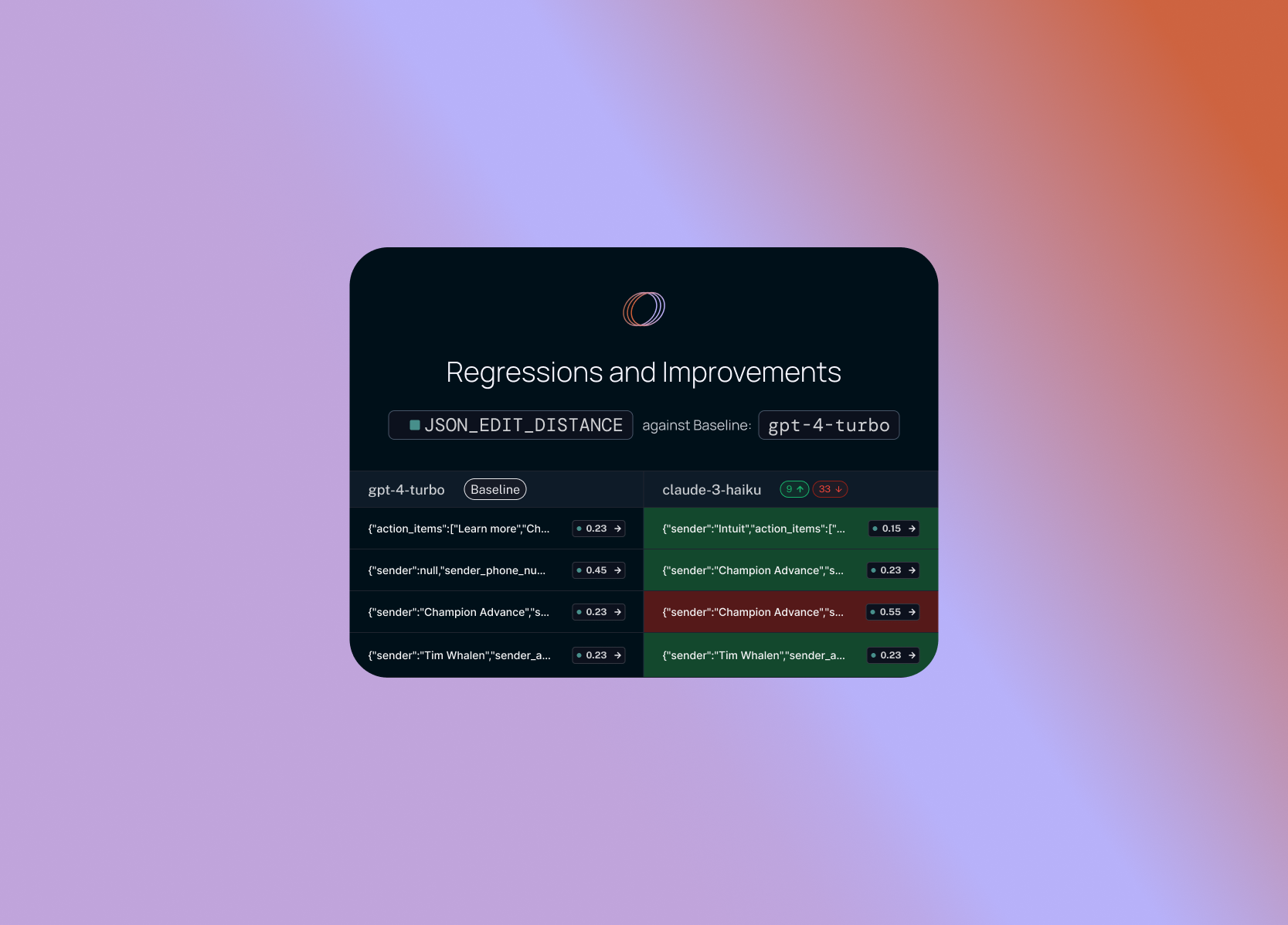
Use LangSmith Comparison View to compare multiple runs.

Implement evaluation driven development using LangSmith for Dosu.
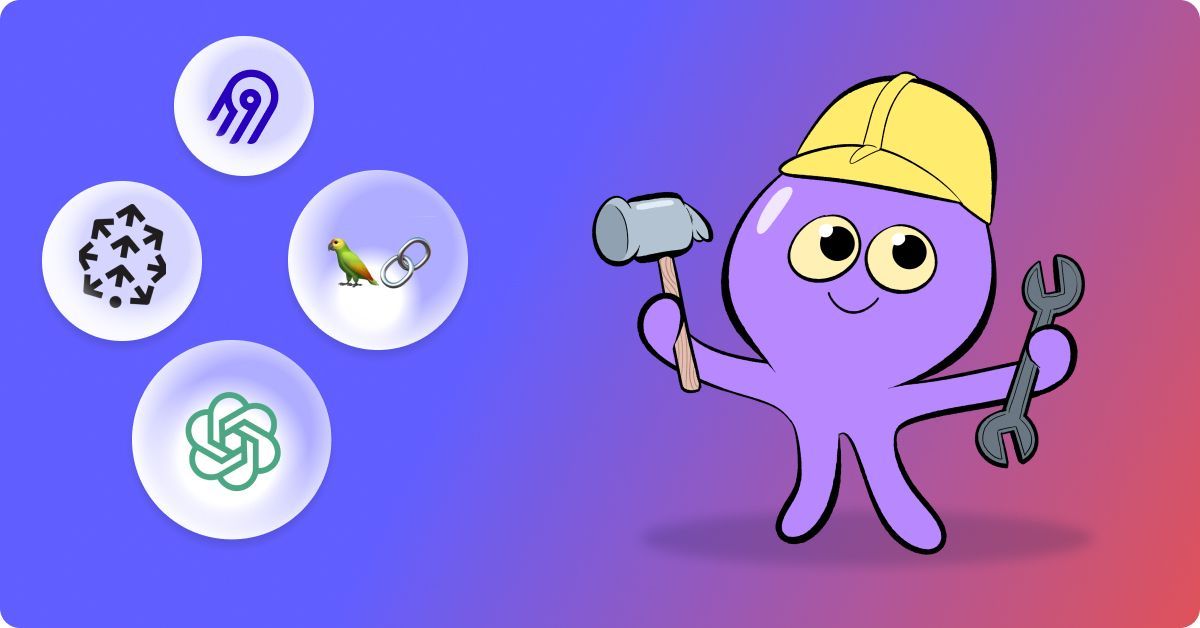
Build a connector bot by integrating Airbyte, Pinecone, and LangChain.
Evaluation costs for agent benchmarks can reach tens of thousands of dollars; use coarse‑to‑fine strategies like Flash‑HELM or anchor‑point subsampling to cut compute by 100×–200× while preserving ranking.

Release AP2 v0.2 from GitHub, adopt Human Not Present payments, and integrate Verifiable Intent to enable autonomous agent transactions.
Run gpt‑5.2‑codex on Terminal‑Bench 2.0 to confirm the 66.5 % score and benchmark TSP on 1024 MI300X GPUs for 173 M tok/sec.
Automate citation outreach and content refresh using AI agents, following the framework presented in the Writesonic webinar.
Review Bun integration with Claude Code to avoid billing surprises.
Build your first Go binary by running `go build hello.go` and execute the resulting executable to confirm output.
Build your own PostgreSQL static analysis by cloning https://github.com/ValkDB/postgresparser and integrating it into your Go tooling.
Check Heretic 1.3's reproducibility and benchmarking features.
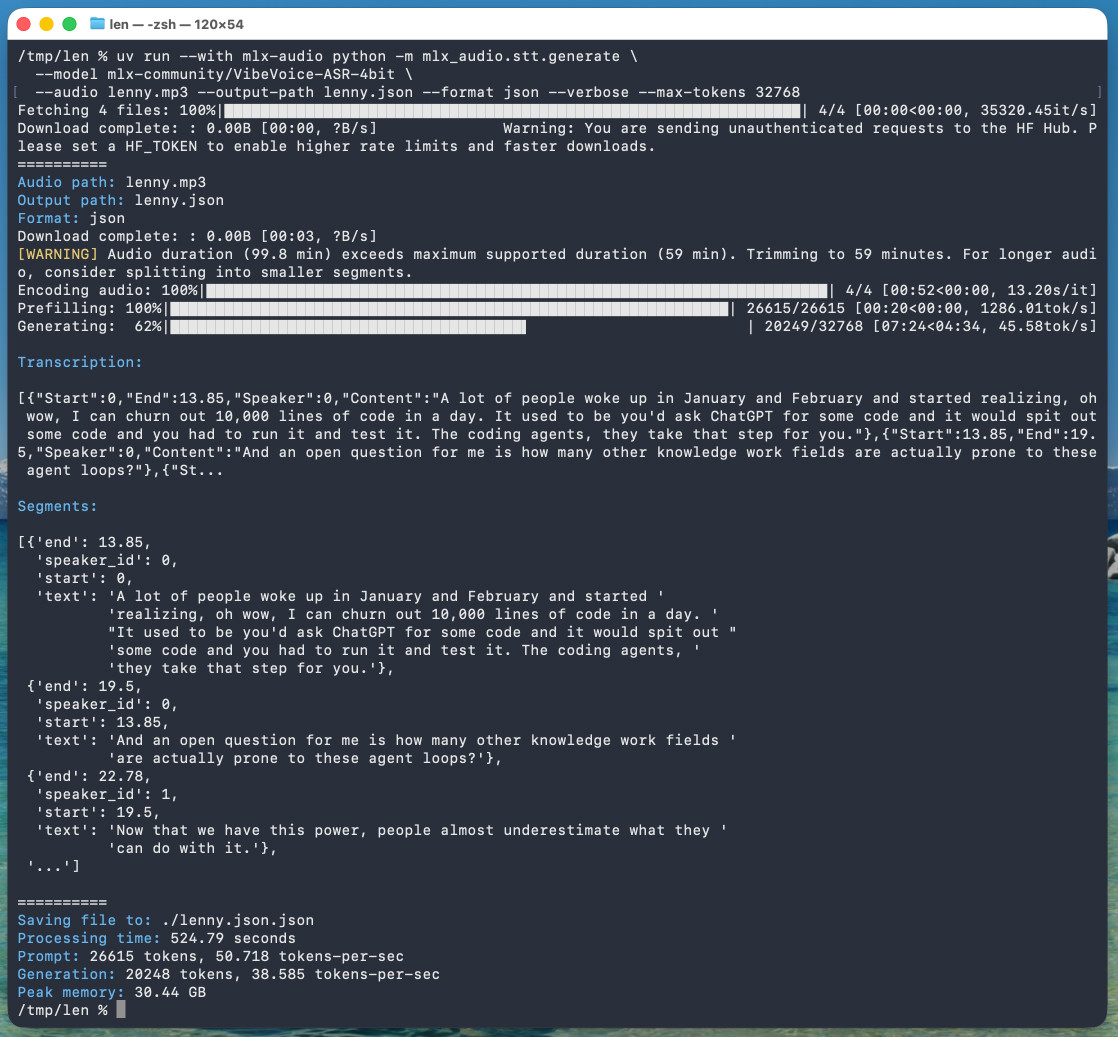
Run VibeVoice via uv and mlx‑audio, use --max‑tokens to extend beyond 25 minutes and handle up to 1 hour of audio.
Build Flidget to detect early churn signals and capture intent in real time.
Test Burnless in your multi‑turn agent workflows to cut token costs.