Observability & Evals Improving Agents is a Data Mining Problem
Patch your teams to adopt LangSmith Engine for trace mining, set up harness engineering loops, and run cost‑efficient open models for trace analysis.
Get 5 things to act on each day — instead of 1,500 articles to read. Free, Builder, or Pro.
Patch your teams to adopt LangSmith Engine for trace mining, set up harness engineering loops, and run cost‑efficient open models for trace analysis.
Run BodyRec on a folder of full‑body renders to generate fingerprints and rank your library offline.
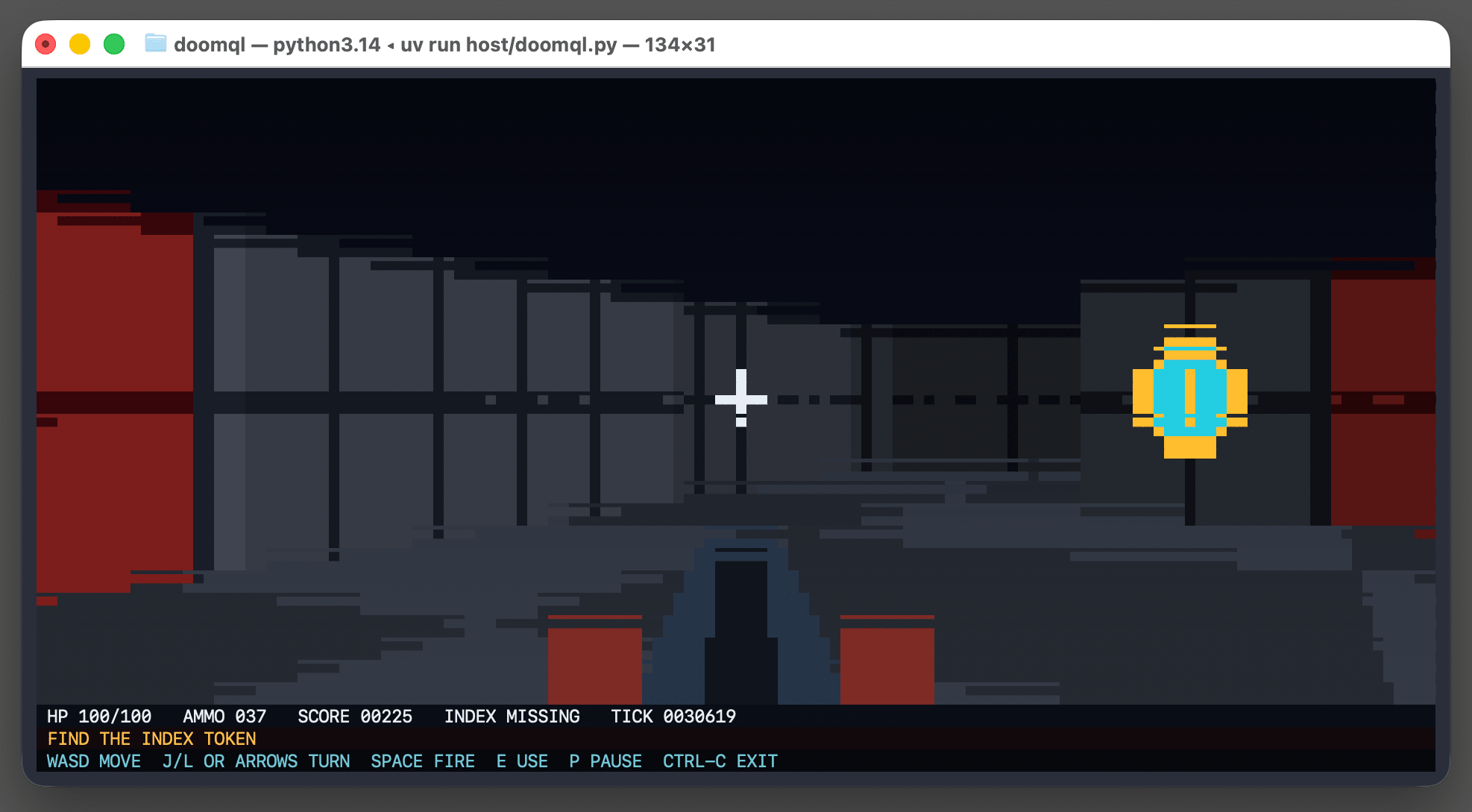
Run the DoomQL repo locally with uv, then launch Datasette with the apps plugin to view the SQL‑rendered game state.
Tune your agent harness by iterating on evals, focusing on system prompt, tool descriptions, and middleware, and use LangSmith traces to guide changes.
Clone the pedalican-pet repo, run the generation scripts, and integrate the sprite sheet into your Codex pet.
Design content guidelines that account for AI‑influenced language patterns and monitor user communication for unintended bias.
Enable agentic tools in your agency workflow by creating an enablement environment and aligning leadership.
Compile PrismML’s llama.cpp with GGML_METAL or GGML_CUDA and run the Bonsai 27B Q2_0.gguf model via llama‑server on port 8080.
Configure enterprise‑grade control frameworks like Palantir Foundry or Lyzr Control Plane to gate open‑weight model traffic.
Adopt WebMCP and ARD for exposing tools, monitor UCP for e‑commerce, and keep an eye on OKF for large‑site discovery.
Use Admin Console analytics to monitor AI usage and spend.
Review the SWE‑Bench Pro audit findings and adjust evaluation pipelines accordingly.
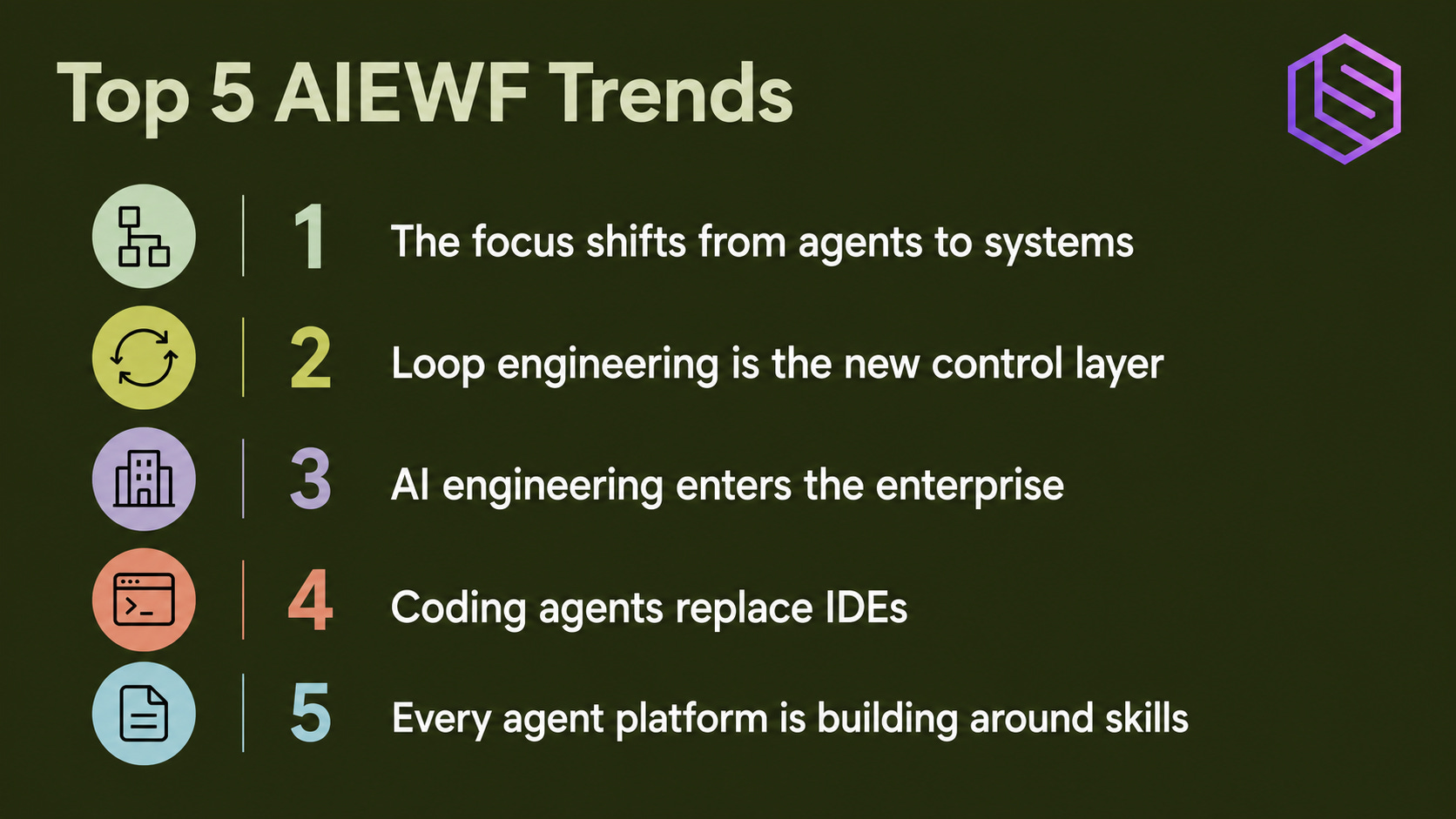
Inspect the new harness design patterns and update your agent orchestration to include evaluation and monitoring hooks.
Integrate AI security agents that consolidate scanner output, severity scores, threat intel, configuration findings, and exposure data into a unified remediation workflow.
Experiment with Qwen 3.6 27B Q8 and MTP for game development to accelerate content creation.
Download Nemotron’s open datasets from Hugging Face and integrate them into your agent training pipeline to improve robustness and explainability.
Run the in‑place masked_fill_ version of your attention modules and benchmark with torch.profiler to eliminate the Memcpy kernel and reduce per‑layer latency.
Review ROBOMAR ONE’s workflow integration to streamline ComfyUI usage.
Stop using AI to generate PR or commit messages, as they lack high‑level framing.
Review lora performance and disable overfitted ones to avoid prompt conflicts.
Review the Krea2 refusal reduction lora to improve prompt compliance.
Review the lora training benchmark to choose the best base model for your projects.
Review the new Krea2PromptWeight node to understand prompt weighting and cfg usage.
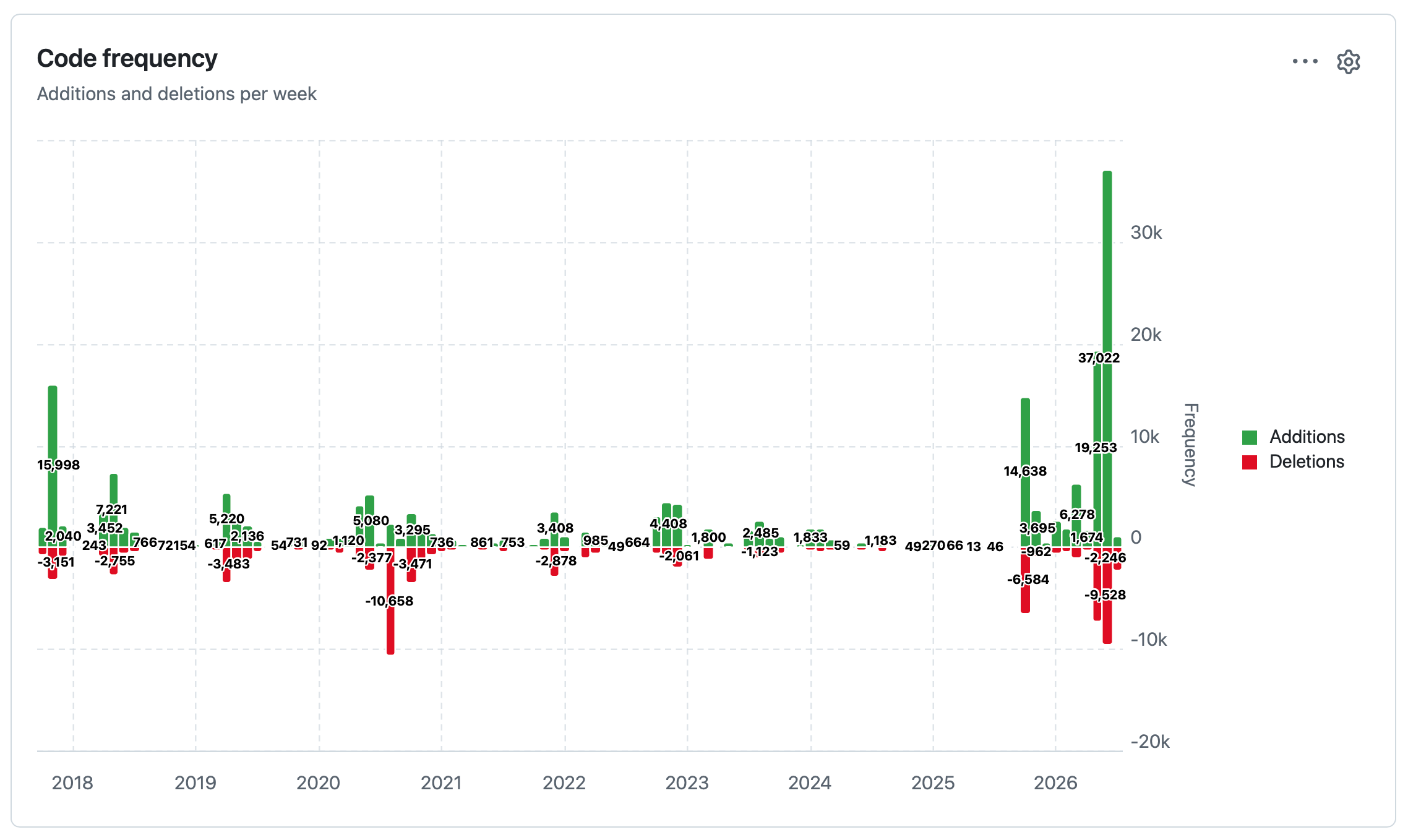
Analyze the code‑frequency chart to see how coding agents and Opus 4.8/GPT‑5.5/Fable 5/GPT‑5.6 Sol influenced development activity.
Cloud Work conversations do not appear in desktop Work; desktop threads stay local.
Enable GPT‑Live voice mode in the ChatGPT app, monitor for laugh bugs, and ensure background delegation to GPT‑5.5 is active.
Install llm-meta-ai, set the Meta API key, and run `llm -m meta-ai/muse-spark-1.1` to generate SVGs or test the new API.
Integrate RxBrain 6.2B multimodal foundation model for embodied cognition into your applications to enable joint subgoal planning and world‑state prediction.
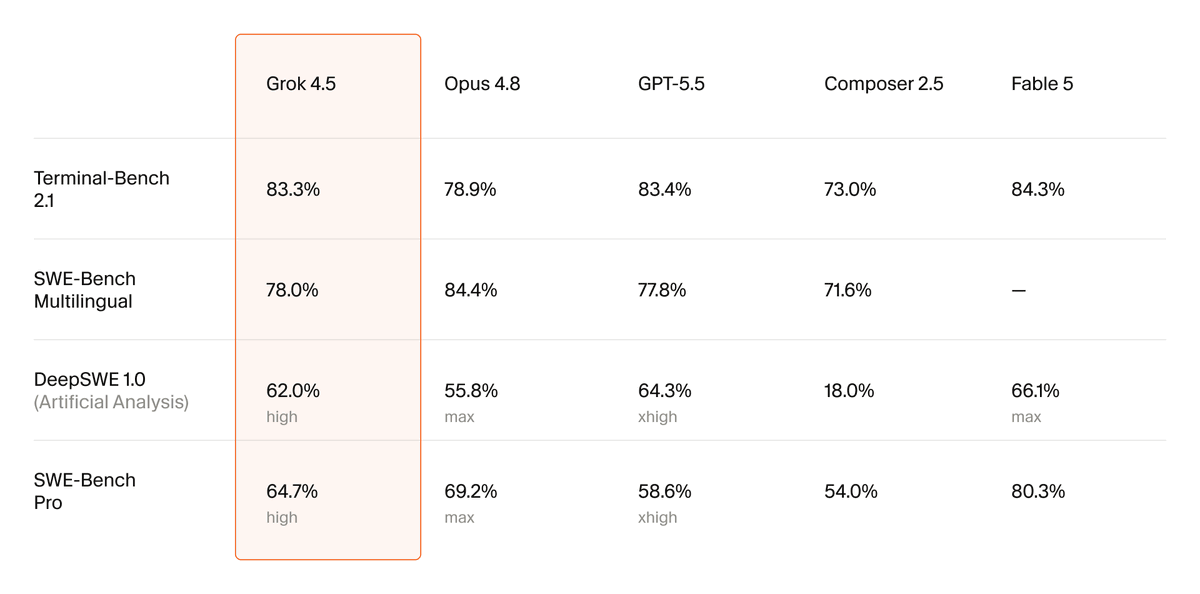
Update your integration to use Grok 4.5 and adjust cost calculations to the new pricing.
Integrate ExLlamaV3 v1.0.0 into your inference pipeline to leverage its new attention kernels, tensor‑parallel support, and performance boosts.
We use cookies so the comment feature on this site works. Read more