Fin for Ecommerce: AI‑Powered Shopping Assistant for Shopify Merchants
Integrate Fin for Ecommerce into your Shopify store to provide AI‑driven product discovery and support in a single chat.
Get 5 things to act on each day — instead of 1,500 articles to read. Free, Builder, or Pro.
Integrate Fin for Ecommerce into your Shopify store to provide AI‑driven product discovery and support in a single chat.
Patch your apps to read ProductVariant.resourcePublicationsv2 and create unpublished variants with variant.published: false when needed.
Implement server‑rendered critical content and structured data in the initial HTML, and keep navigation links as standard anchors to ensure crawlability.
Enable UCP-powered checkout on Google SERP by setting native_commerce in Merchant Center, configuring return/shipping/support, integrating Google Pay API, publishing /.well-known/ucp profile, implementing UCP REST endpoints, validating structured data, and submitting the early access form.
Note Pix's rapid growth and new features like Automatic Pix and Proximity Pix, which could influence payment integration strategies.
Add the markets field to DiscountContextInput to target discounts by market, and update queries to include market eligibility.
Explore the Universal Commerce Protocol to enable direct purchases from Google Search and plan integration with your e‑commerce platform.
Patch your CI/CD pipelines to use SHOPIFY_APP_AUTOMATION_TOKEN instead of legacy CLI tokens; set the env var and run shopify app deploy --config production --allow-updates.
Use the new Settings intents (e.g., edit:settings/NotificationsSenderEmail) to open specific settings pages via a single API call, scrolling merchants directly to the targeted field.
Add origin.id and destination.id to your webhook handlers to track inventory movement without extra API calls.
Explore Stripe’s 288 new features, including AI‑enabled Agentic Commerce, expanded payment methods (Pix, UPI, Sunbit, Bizum, BLIK, Pay by Bank, TWINT), Checkout studio, and upgraded Radar fraud signals, to streamline checkout and protect against fraud.
Patch: set up a Fiber server, install Templ UI, generate components, and render landing page; use HTMX for dynamic navigation.
Track component price and spec changes to adjust inventory and pricing.
Deploy the script to `/opt/scripts/digest.sh`, set up a cron job, and ensure the Nylas CLI is installed and authenticated.
Add a GitHub Action that creates a temporary Nylas inbox per PR, runs tests, and deletes the inbox.
Adjust pricing and inventory management to mitigate copycat impact and AI‑search visibility.
Patch: use facturx Python library to generate Factur‑X compliant XML and embed it in PDF for BTP SMEs.
Add the actor argument to subscription mutations to record who initiated the action.
Use Eleata’s Peppol API to validate invoices in supported formats; integrate via REST or SDKs and add the GitHub Action for CI validation.
Choose Triple Whale for English‑first, full‑stack measurement; choose RevenueScope for Japanese teams needing core metrics and quick GTM setup.
Add the four new GraphQL Admin API operations—analyticsTargets, analyticsTargetCreate, analyticsTargetUpdate, analyticsTargetsDelete—to create, read, update, and delete merchant analytics targets, and update your app to use API version 2026‑04.
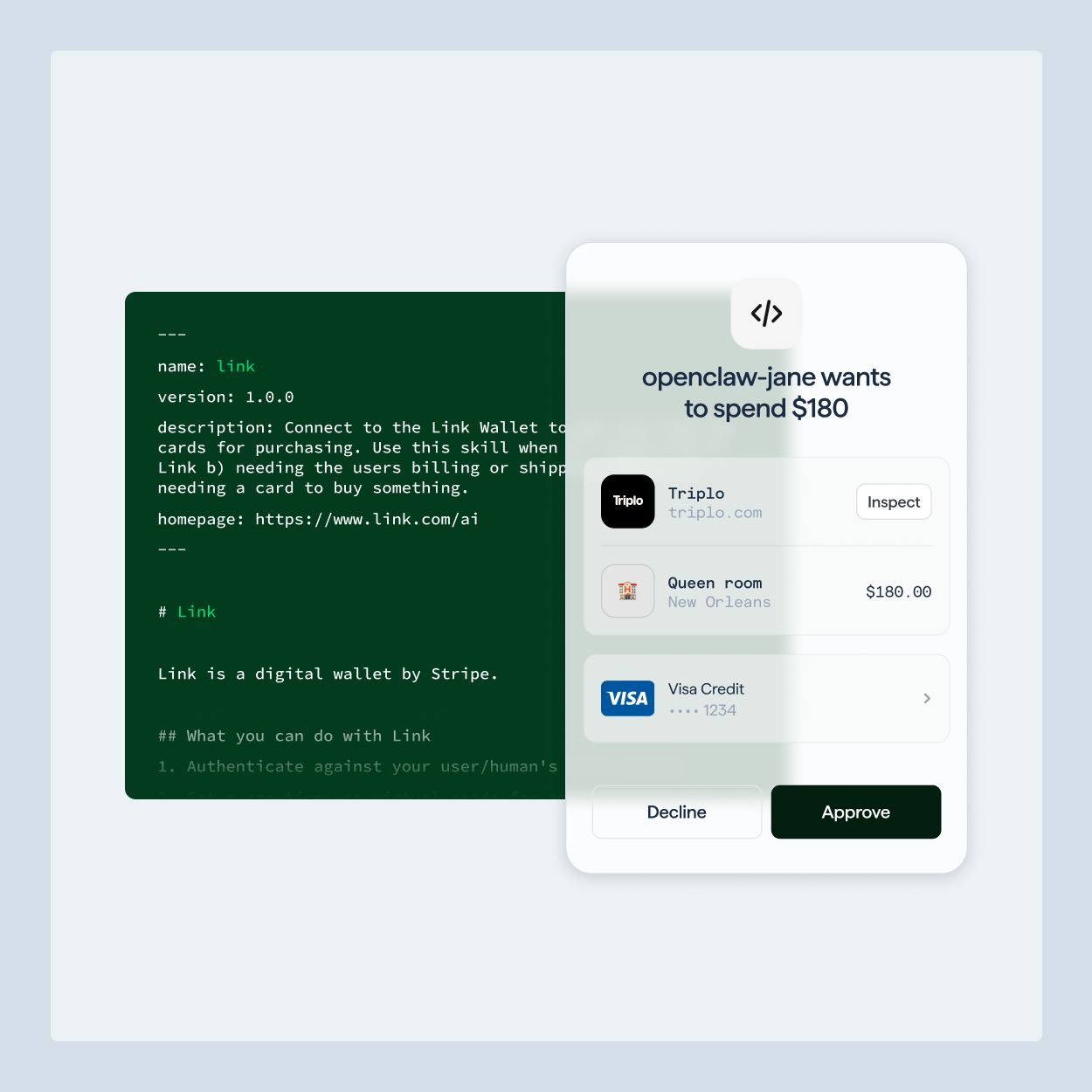
Integrate Link wallet for agents by using Stripe Issuing APIs to create spend requests and handle consumer approvals via OAuth and the Link mobile/web UI.
Patch your Laravel app to integrate Algorix Pay for zero‑commission, event‑driven payments.
Check that your discount creation code explicitly sets appliesOnSubscription if you rely on a specific value.
Assess your WooCommerce stack for performance, search, and security issues, and plan a migration to a unified managed solution to cut developer hours.
From API 2026‑04 onward, app‑owned metaobjects can be read or written without requesting additional access scopes.
POS now applies fixed‑amount discounts per unit; rounding may add up to one cent, but no action is needed for API 2026‑04 or earlier.
Prototype a payment abstraction layer that routes to at least two providers and implements webhook handling.
We use cookies so the comment feature on this site works. Read more