AI Visibility Playbook: From Invisible to 32% Share of Voice
Track AI visibility daily with Enterprise AIO, measure share of voice, and adjust content to boost brand mentions.
Get 5 things to act on each day — instead of 1,500 articles to read. Free, Builder, or Pro.
Track AI visibility daily with Enterprise AIO, measure share of voice, and adjust content to boost brand mentions.
Integrate agentic RAG components—planning, tool use, iteration, and reflection—into your LLM pipeline to improve answer quality.
Deploy the Qwen Edit 2511 FP8 workflow with the provided configuration to achieve high‑resolution edits in 20 steps, ensuring you have ~26 GB RAM+VRAM and use the FP8 model for best quality.
Install the PlagueKind LoRA stack loader to manage up to 10 LoRA slots with per‑slot strength and LTX audio/video weighting, and use the unified resize node for image/mask scaling.
Replace your current SDE sampler with CNS to allocate noise energy to under‑resolved frequencies; the change is plug‑and‑play and keeps the same number of steps.
Deploy the new triXope Film Auteur LTXV 2.0.5 node to your ComfyUI instance, update your workflow to use the integrated Director Mode and autoregressive chunking, and test the new audio reference and NAG integration.
Integrate the 6.3B NAVA model into your pipeline to generate synchronized audio‑video from a single prompt, leveraging its Align‑then‑Fuse MMDiT for better alignment and lower parameter count.
Configure OpenCode to use DigitalOcean’s Inference Router by setting the model field to 'router:your-router-name' and connect via /connect to automatically route requests to the most cost‑effective model.
Add an interpreter skill by bundling a TypeScript module with a skill and updating the harness to import it, enabling deterministic code execution and subagent spawning.
Test your models against CVE‑Bench; the best solve rate is 50 % overall, 60 % with full advisory.
Build AI tools around existing content workflows to automate research, keyword gaps, and publishing.
Integrate Codex into your CI/CD pipelines to automate defect remediation and build optimization, targeting a 20 % reduction in build times and a 10‑15× increase in defect resolution throughput.
Use a local SQLite database with Litestream for durable workflow state, avoiding extra orchestration layers.
Configure: Use batch_bucket_files to upload sparse delta files from trainer and download_bucket_files on vLLM to enable delta sync.
Adopt an enterprise AI layer with secure internal ChatGPT environment and governance to enable operational and clinical AI use.
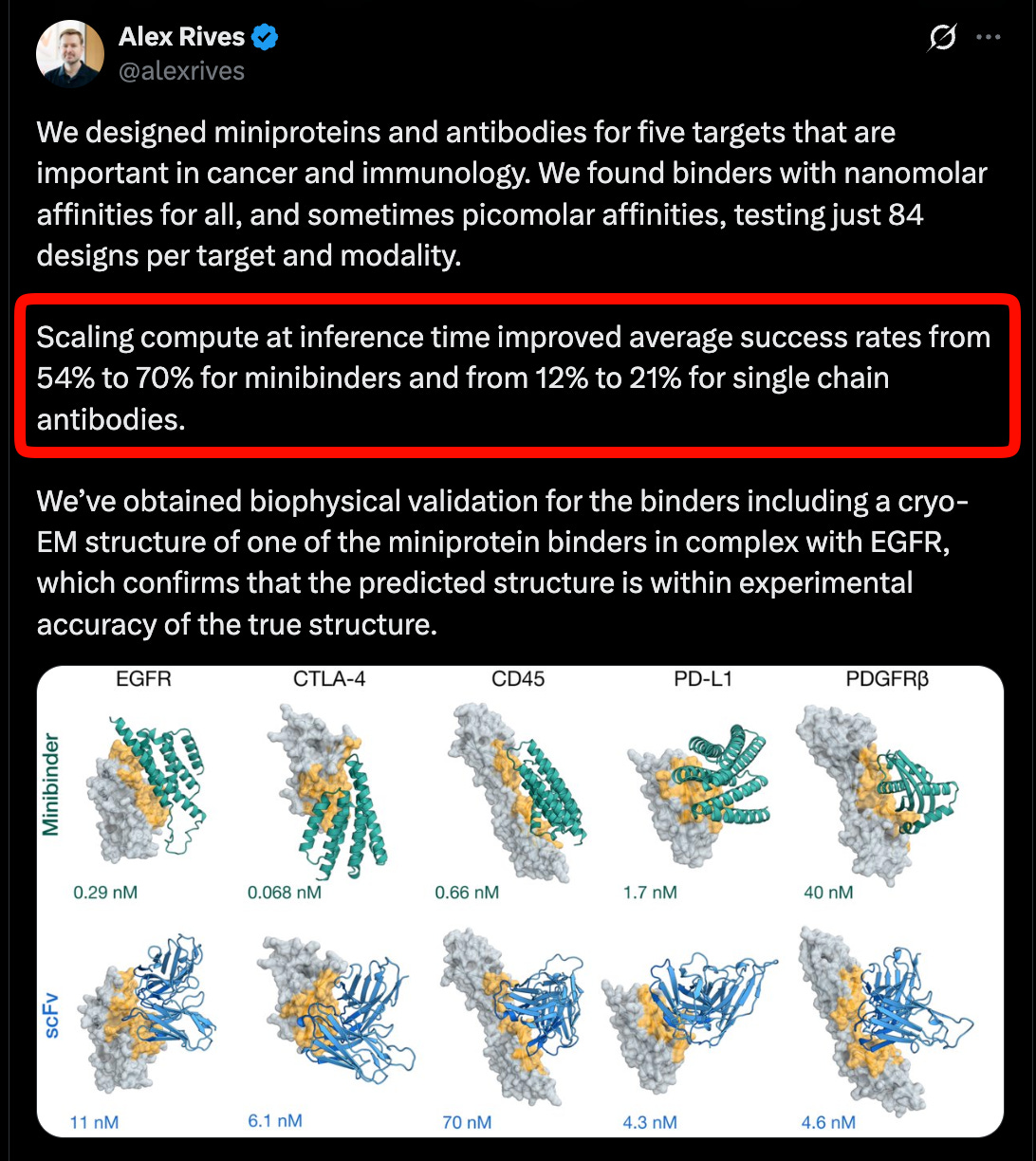
Experiment with ESMFold 2 for protein design and structure prediction tasks.
Update enterprise pricing to match API rates; no action needed.
Codify senior expertise into Codex agents to provide real‑time guidance across the delivery lifecycle.
Implement measurement infrastructure and human verification loops for agentic AI to prevent costly errors and ensure reliability.
Build a lightweight LLM inference engine in C++/CUDA using tiny‑vllm, supporting Llama 3.2 1B Instruct with static/continuous batching and PagedAttention; test on Linux with CUDA 13.1.
Check the upcoming AI age estimation rollout at UK borders, which will use facial analysis to flag adult migrants claiming child status, slated for mid‑2027.
Configure Codex to automatically generate preview branches from customer requests, cutting feature turnaround time to minutes and enabling real‑time customer feedback loops.
Deploy the reachy-voice-realtime repo by installing Python 3.12+, cloning the repo, and running the provided setup to give the Reachy Mini real‑time voice and motion capabilities.
Patch your agent pipelines to include a model+harness+eval loop, integrate DeepSeek harness, and benchmark against DeepSWE to validate performance.
Use LangSmith's new evaluator templates and cost alerting to automate agent testing, and deploy Deep Agents with the single `deepagents deploy` command to spin up production‑ready servers.
Run: Evaluate your own agent on ITBench‑AA SRE using Stirrup harness to benchmark performance.
Adopt ChatGPT Enterprise across 35k employees by setting up secure environment and training.
Use Codex to build self‑improving agents by capturing practitioner feedback, production traces, and creating a Codex‑driven iteration loop.
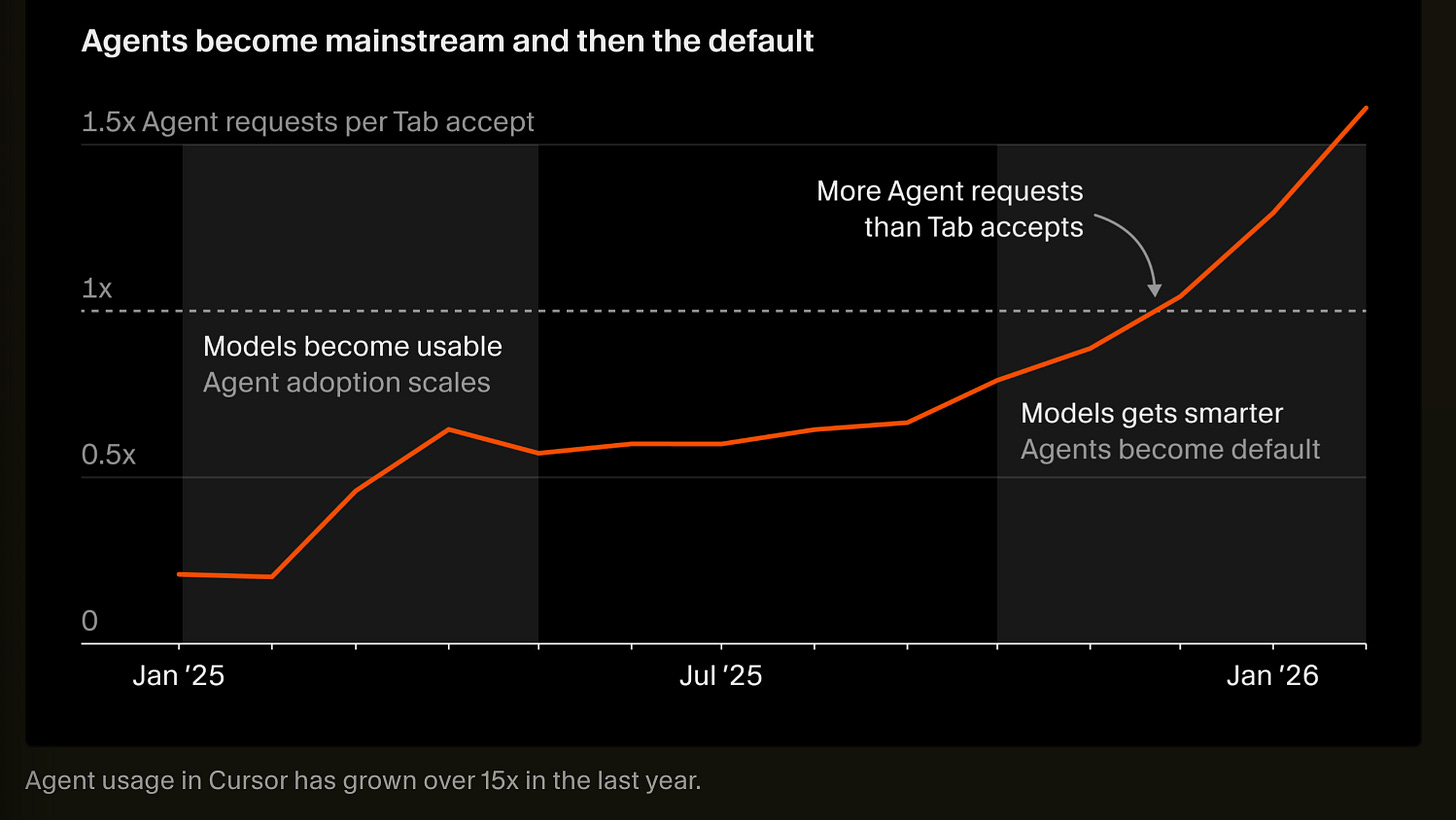
Explore background agent frameworks like Claude Code, Windsurf, and Cursor’s agents pane to shift development into async orchestration.
Add new model Claude Opus 4.8 and fast mode option; update default max_tokens.
We use cookies so the comment feature on this site works. Read more